

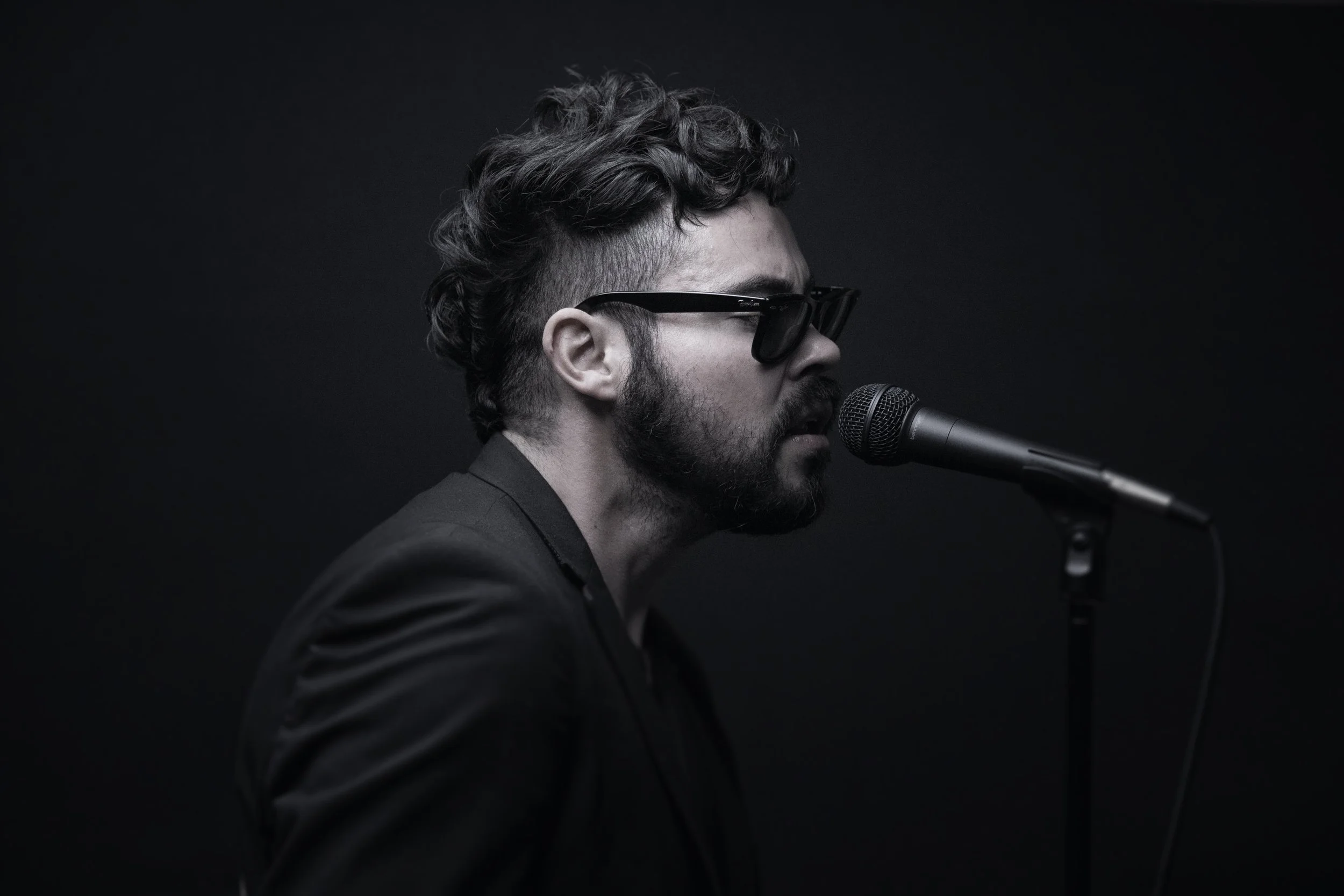
The man. The artist. The musician. The architect. The storyteller.
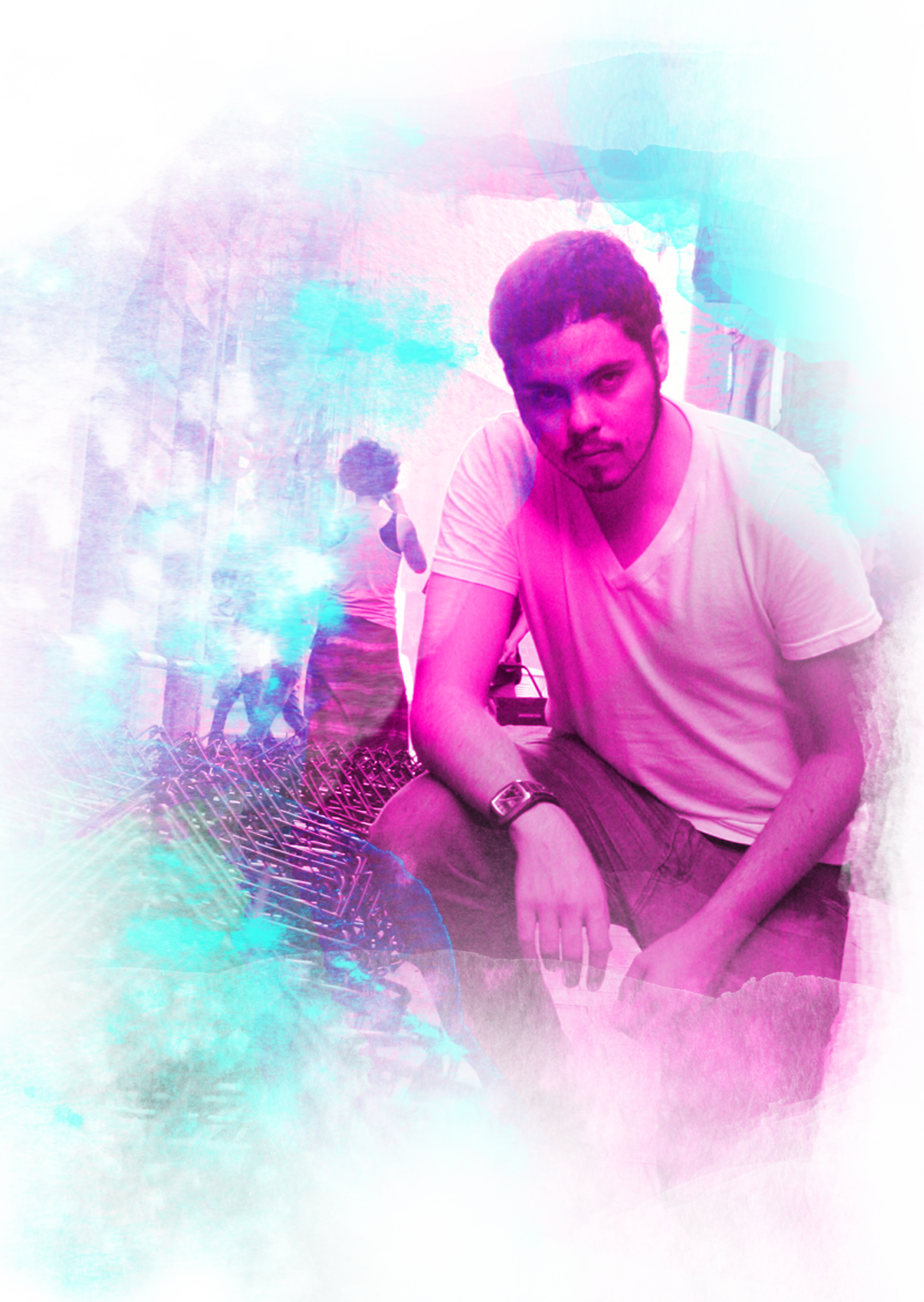
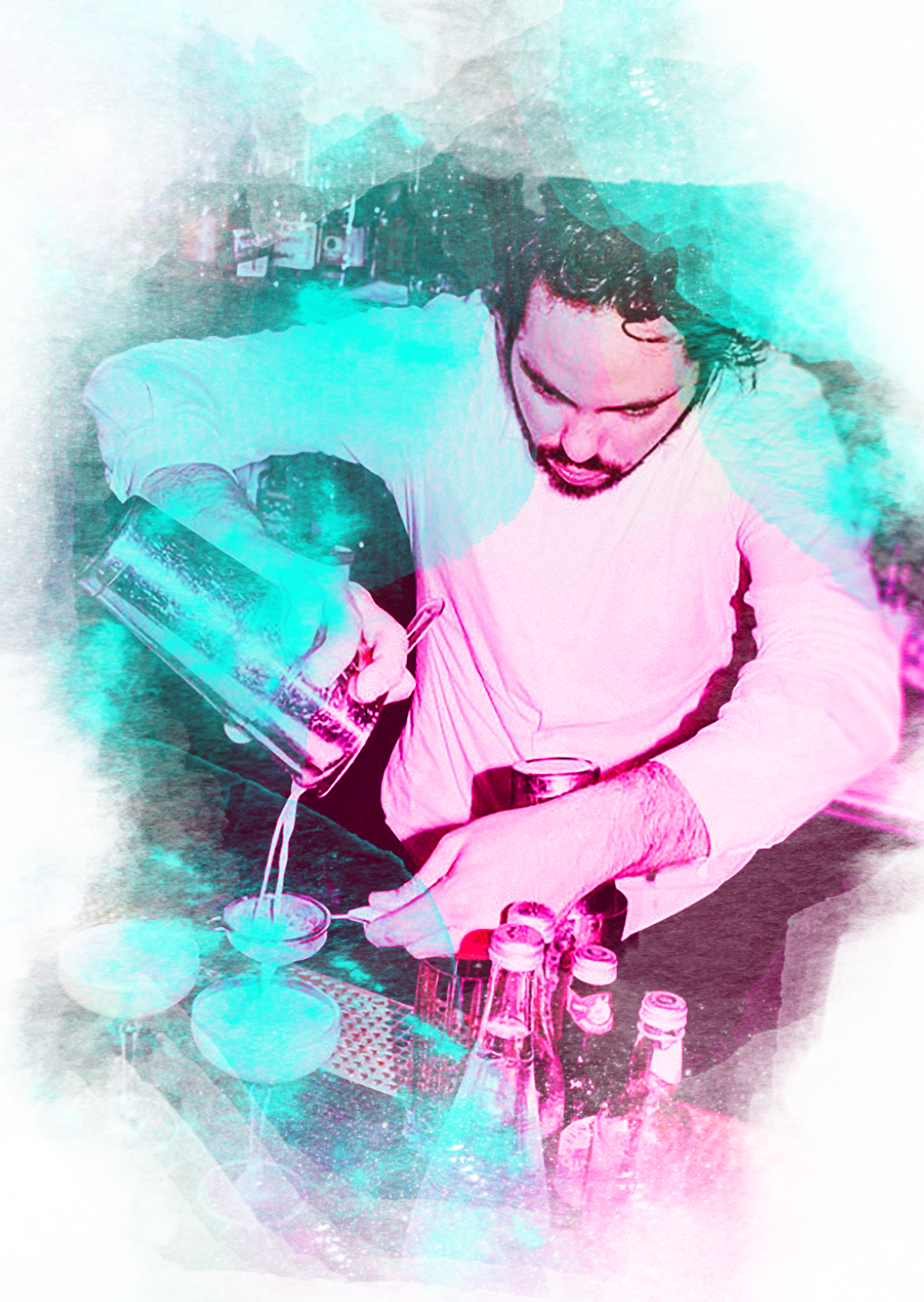
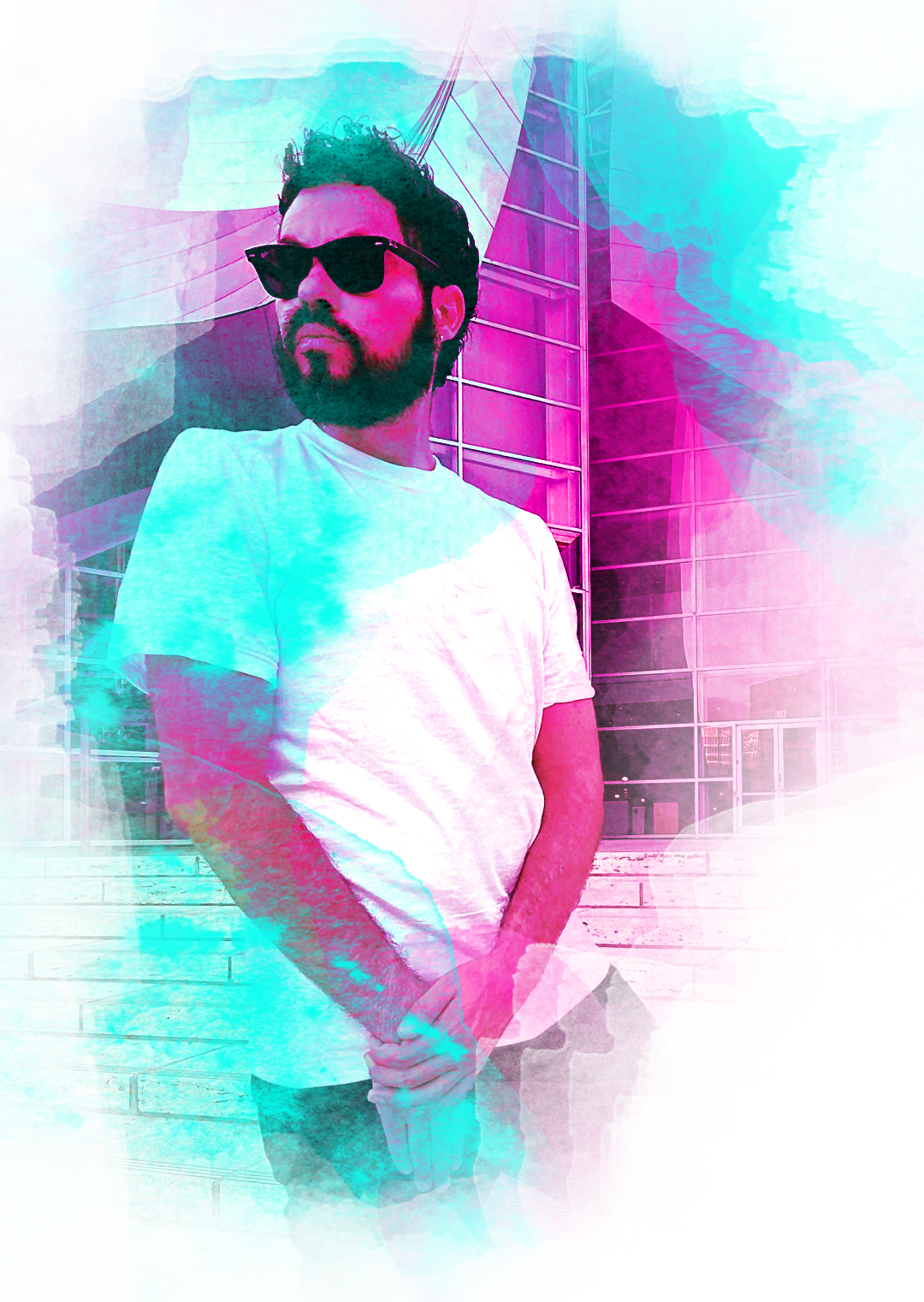
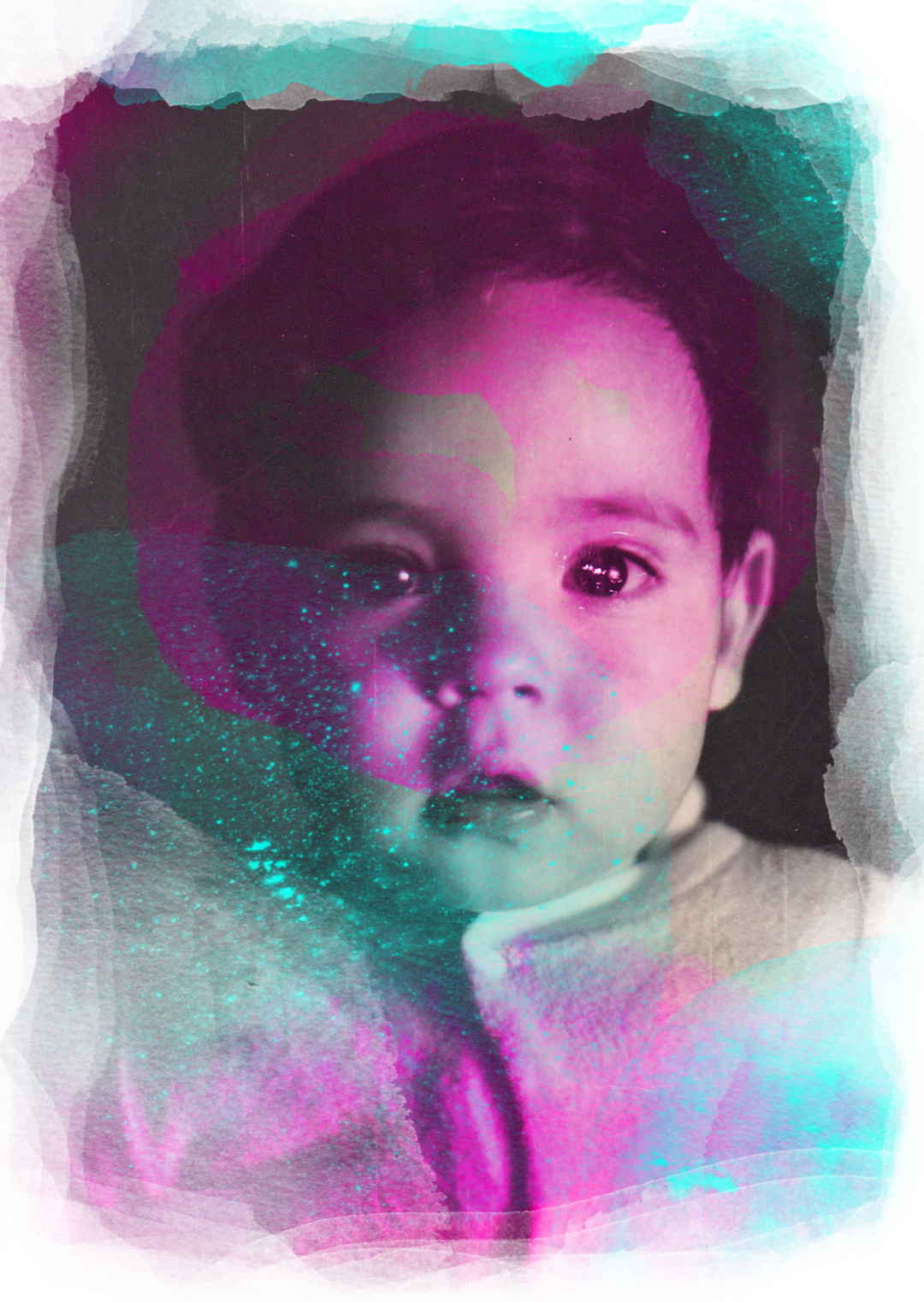
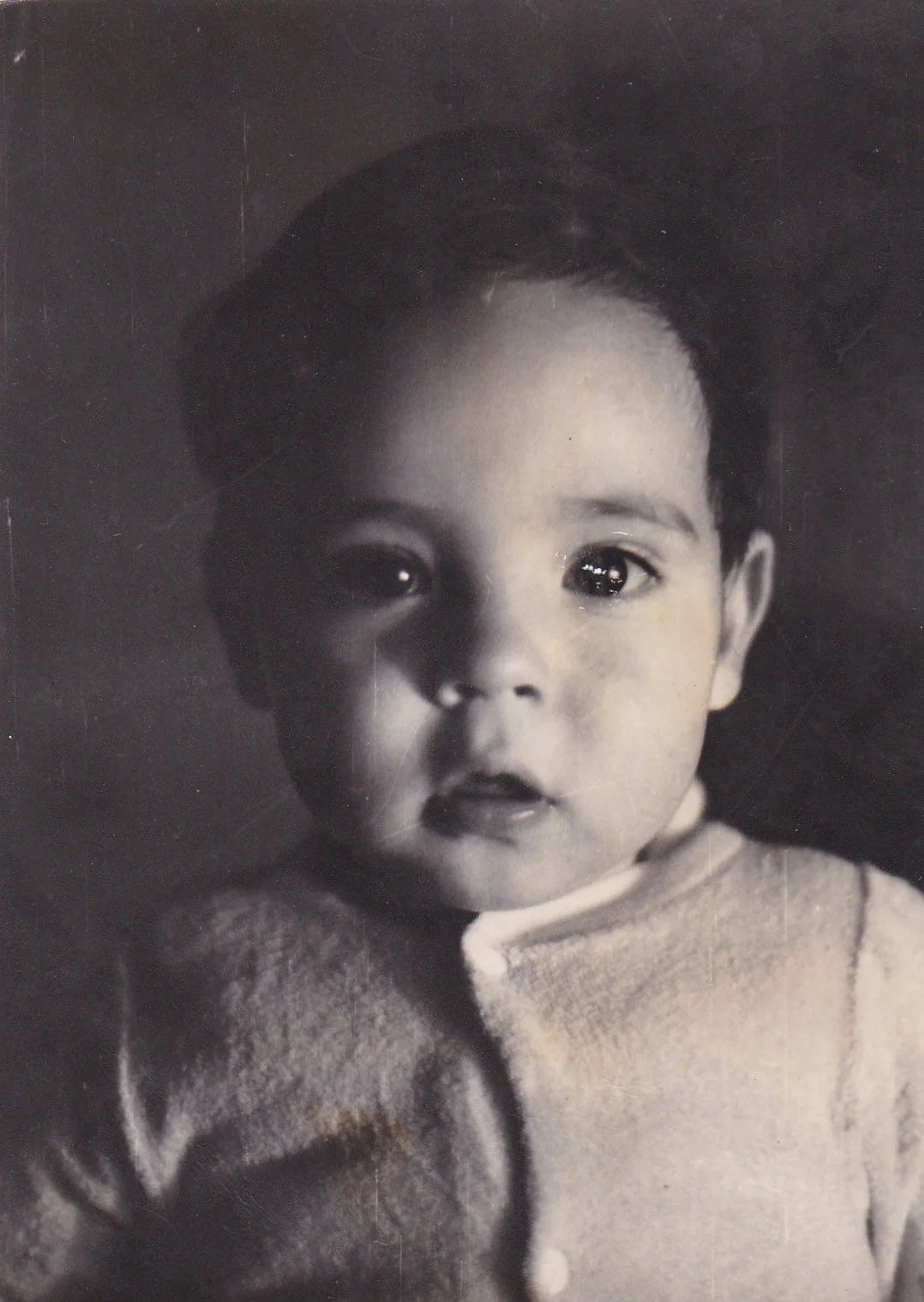
I've spent much of my life trying to give form to things I couldn't quite explain.
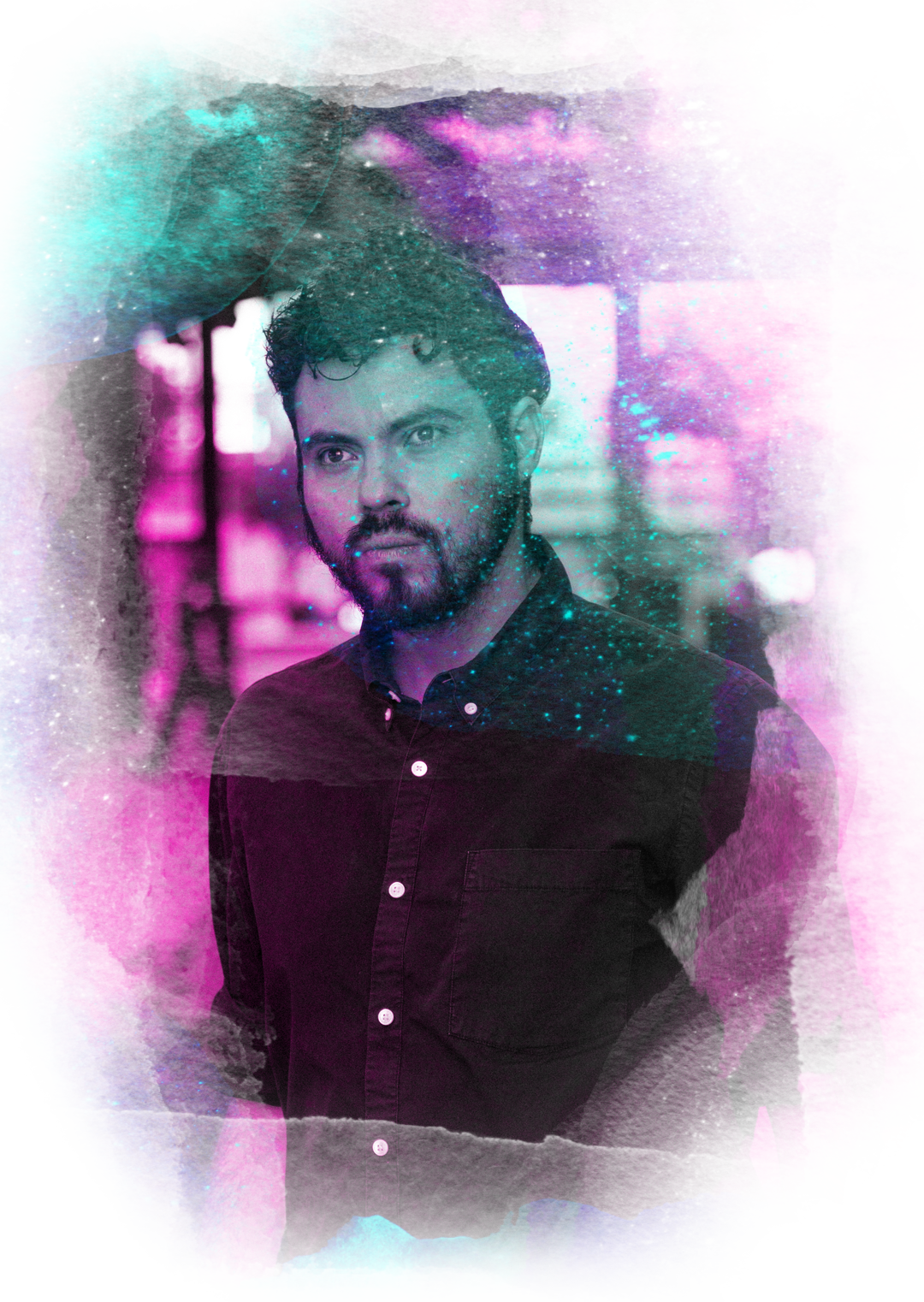
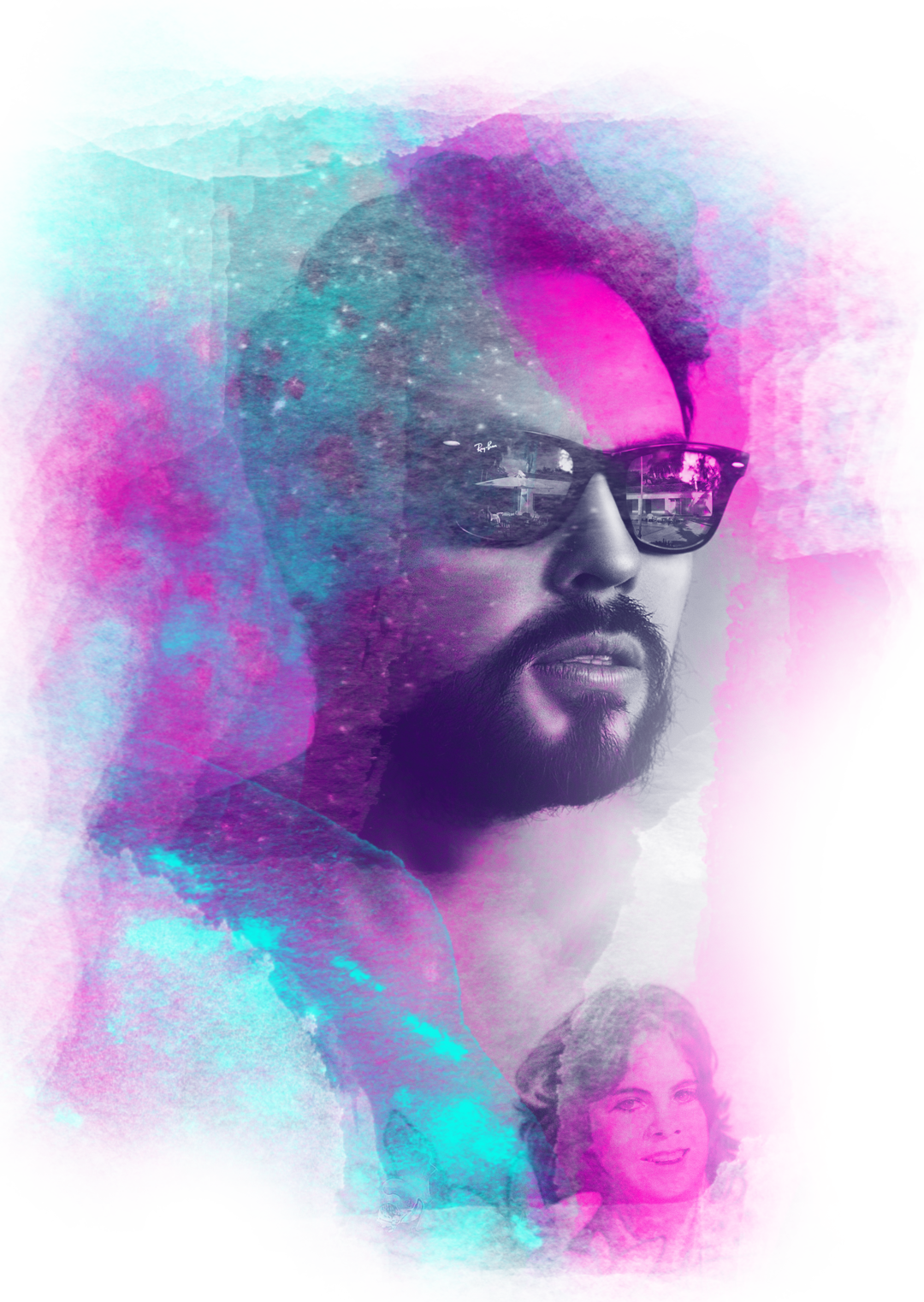
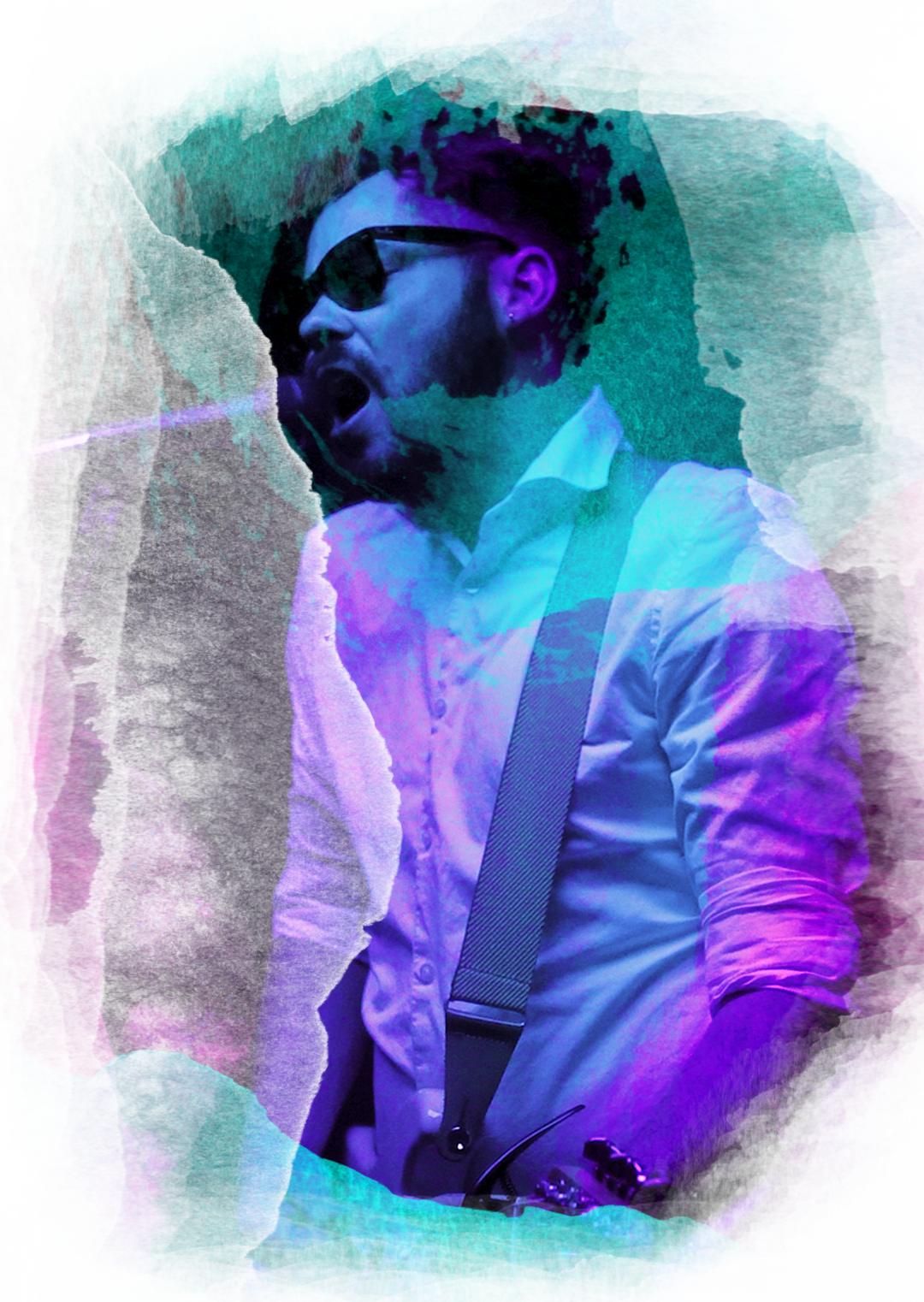
I'm Santiago D’Truman. A Colombian-born, Los Angeles-based musician, artist, storyteller, architect, and creative director.
My life has moved through different disciplines, professions, cities, and versions of myself. From architecture studios and construction sites to recording sessions and stages, I've spent years creating, questioning, dismantling, and rebuilding.
From the outside, it might look like I've changed direction several times. But I've come to realize that, in many ways, I've been doing the same work my entire life. I've always been interested in creating structures. I just kept changing the material.
And through all of it, music has remained the one place where I've always felt most alive.
A life in the making
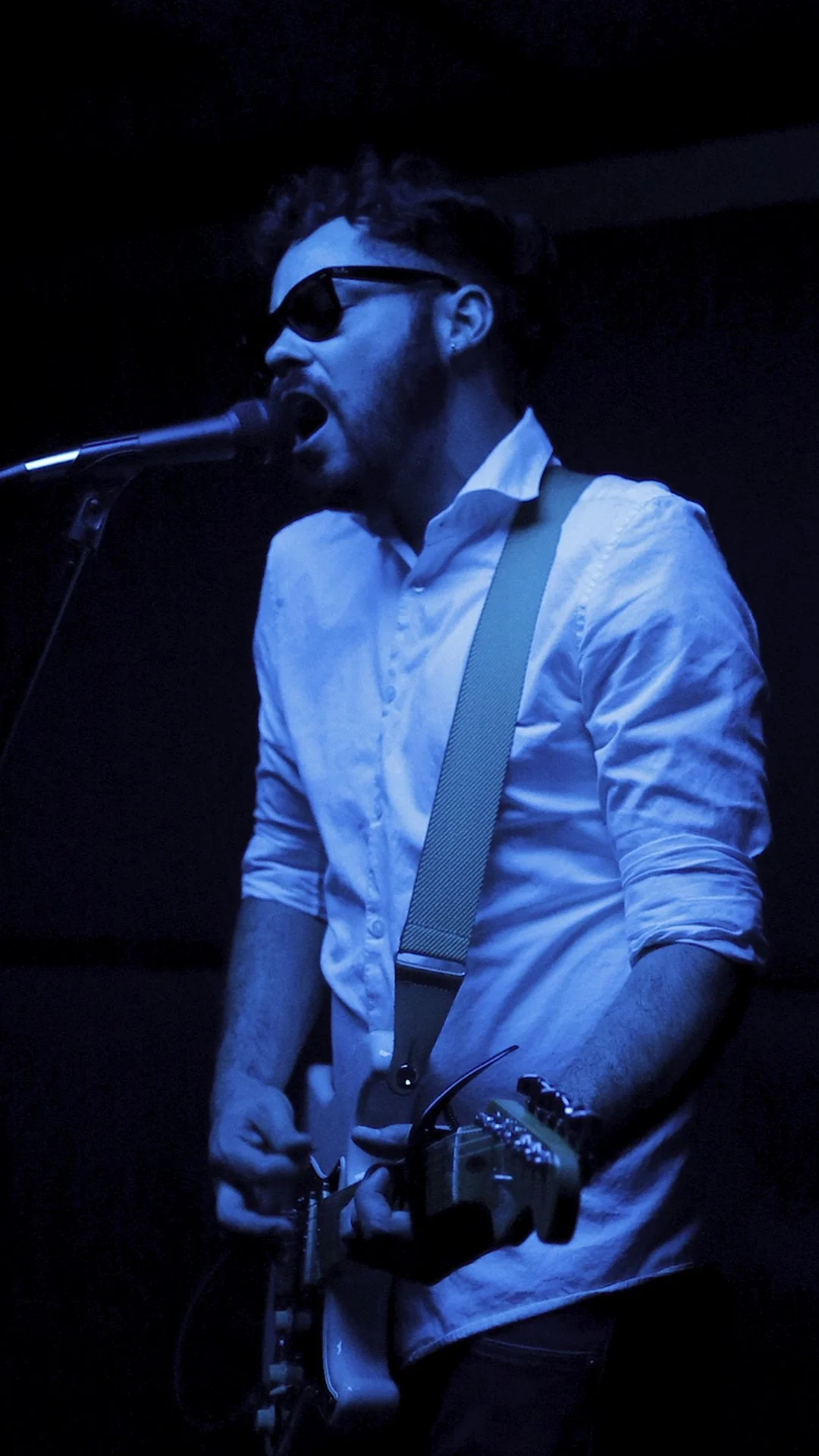
I don't remember a time when music wasn't part of my world.
Almost every night, when I was a little boy, my mother would sing boleros to me before I fell asleep. Those songs became part of my earliest memories, their melodies, their longing, their romanticism. I didn't understand the stories behind the lyrics back then, but something about those emotions stayed with me.
My father played the harmonica, loved rock music, and had an extraordinary record collection: vinyl records, CDs, and cassettes. He introduced me to artists and albums that would profoundly shape my relationship with music. I remember studying the album covers, the photographs, the musicians, and imagining the lives behind those songs.
Two very different musical worlds, both leaving their mark on me.
As a kid, I would stand in front of the bathroom mirror with a tape recorder, pretending I was performing onstage. Years later, I found myself immersed in Bogotá's skate-punk scene. My sister had introduced me to that world, and through her connections I discovered the bands, the small concerts, the people, and the culture surrounding the music.
I tried putting bands together, with more enthusiasm than musical accomplishment. Most of our gigs felt like rehearsals in front of ten friends. But the experience wasn't really about becoming an established performer at that age. It was about belonging to a scene, discovering the freedom of creating something of my own, and understanding that music could be more than something I listened to. It could become a way of life.
That childhood dream never really disappeared. Life simply took me through other places before I could begin giving it the space it deserved.
For me, music has never been just entertainment. It's the soundtrack of my life. A way of preserving memories, confronting emotions, and expressing things that ordinary language sometimes cannot reach. Love. Loss. Hope. Contradiction. Longing. Freedom.
Music allows me to turn those experiences into something that can exist beyond myself. But there's another side to that relationship. I've learned that loving music and building a life around it are two different commitments. One comes naturally. The other demands discipline, consistency, courage, and the willingness to take your own artistic work seriously.
That's the journey I'm on.
Not simply making music because I love it, but building the artistic practice, the body of work, and the professional foundation that allow it to become a central part of my life.
Music isn't something I do alongside everything else.
It's one of the reasons I'm building this life in the first place.
Before everything, there was music
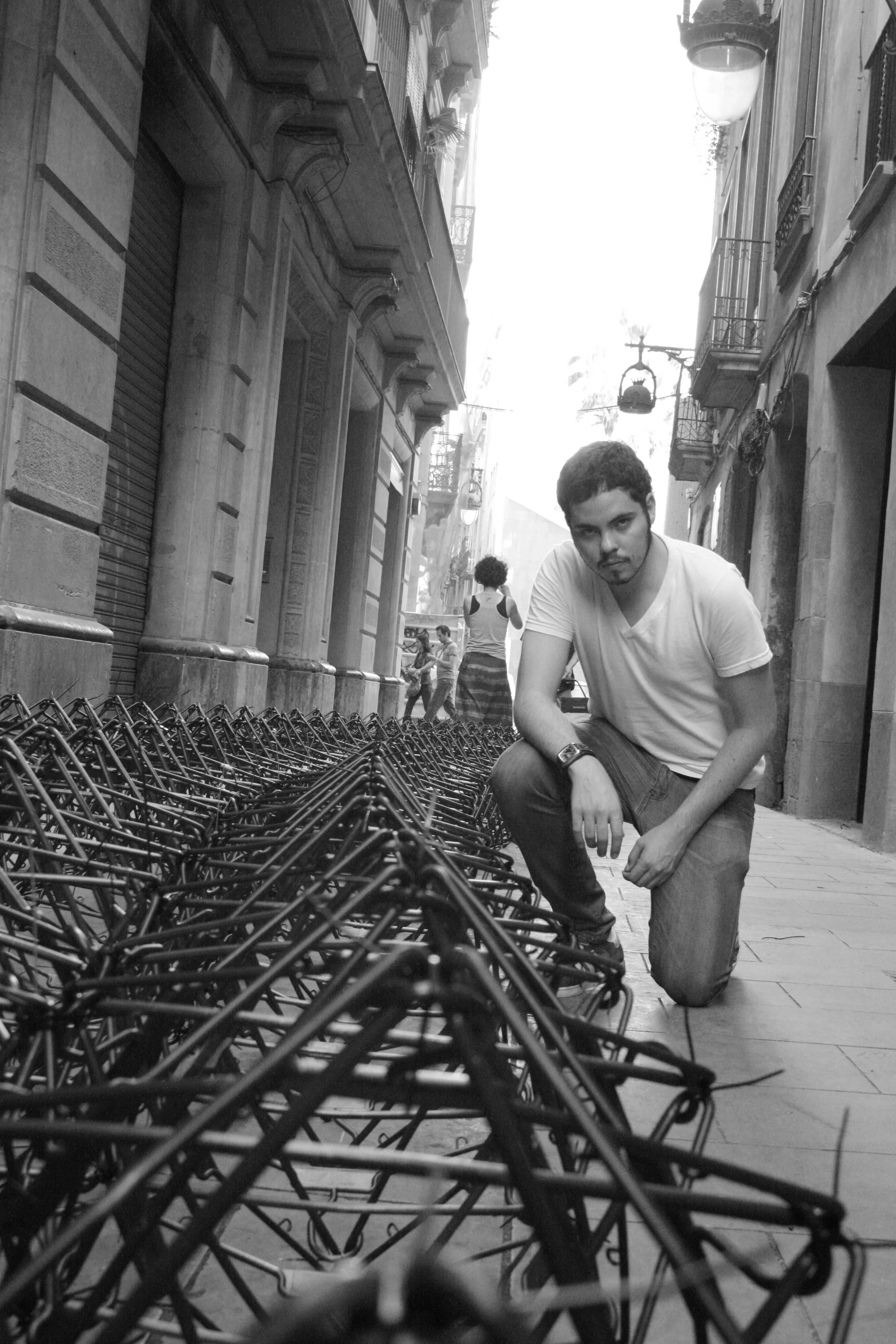
I studied architecture and eventually built a professional career around it.
I worked on buildings, competitions, public spaces, and projects that required far more than imagination. They required structure, collaboration, precision, discipline, and the ability to translate an abstract vision into something that could exist in the real world.
Eventually, I founded my own architecture practice.
What captivated me was the process of transforming an idea into something tangible, and understanding the decisions, relationships, and consequences that made it possible. But what fascinated me most wasn't simply designing buildings. It was understanding the relationship between people and the environments they inhabit.
How a space can influence the way we feel.
How a place can preserve memory.
How a structure can shape the way we move, behave, and experience the world.
Architecture taught me that every decision has consequences. Before something becomes visible, there's an invisible system holding it together. A concept. A structure. A relationship between its parts. And when those elements aren't coherent, sooner or later, reality exposes the contradictions.
Over time, I began recognizing something similar in human life. We also build structures around ourselves. Our beliefs. Our ambitions. Our relationships. Our identities. The expectations we inherit and the roles we learn to perform. And sometimes we spend years living inside structures we never consciously chose. That realization changed the questions I was asking.
What are we building with our lives?
Which parts of our identity truly belong to us?
And what happens when the structures we've created no longer fit the people we're becoming?
The structures we build
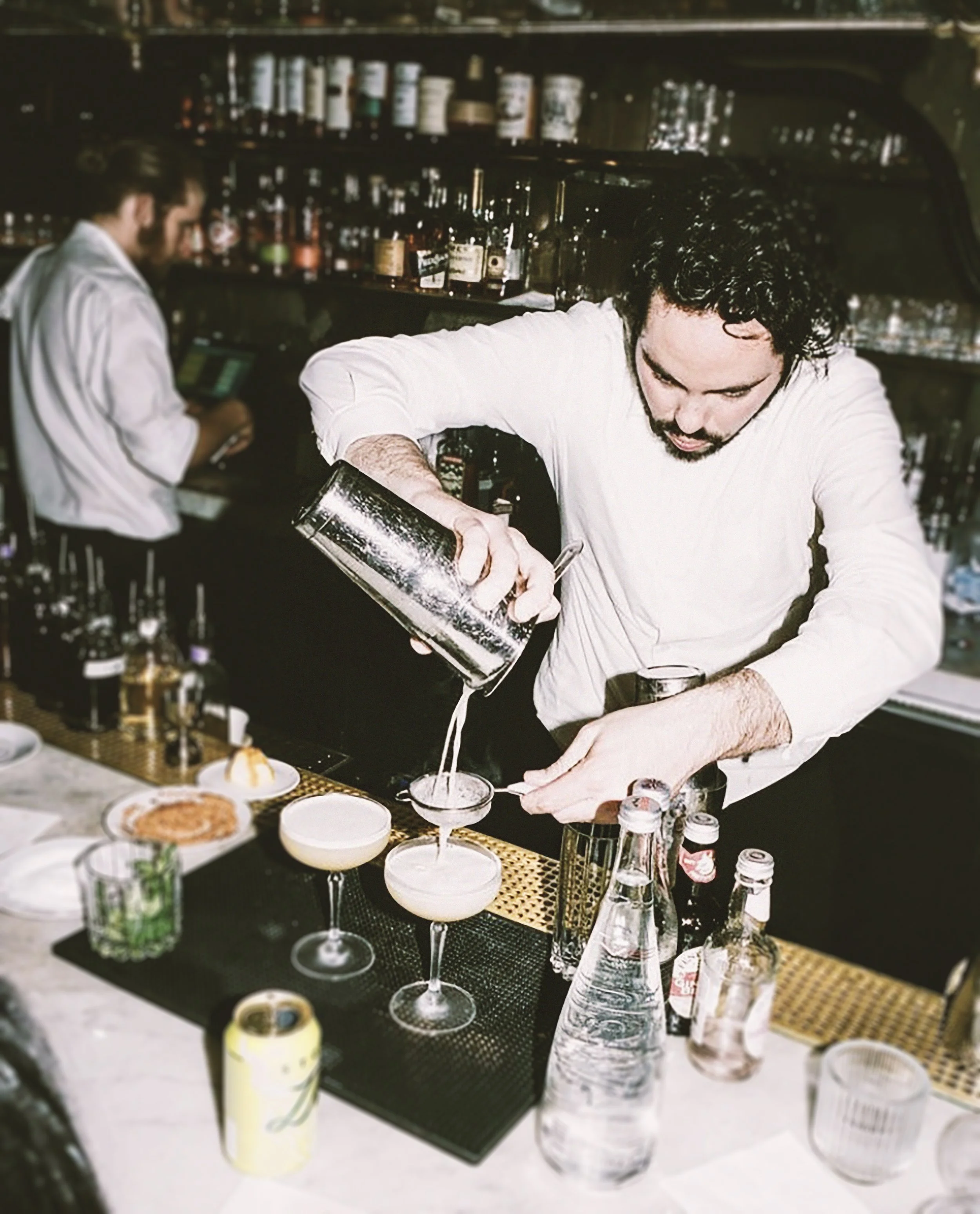
My life hasn't followed a conventional path.
I've been an architect, a studio founder, an entrepreneur, a musician, and a person starting over in a new country. I've built things I was proud of, watched chapters come to an end, worked outside my profession, and questioned more than once what success was supposed to look like.
Moving to Los Angeles brought a different kind of education. It challenged my assumptions about identity, achievement, belonging, and the distance between the life we imagine and the one we're actually living. Some experiences gave me confidence. Others forced me to confront the identities I had become attached to.
I learned that having a vision is one thing. Building it is another.
Reality doesn't always cooperate with our plans. It introduces resistance, uncertainty, limitations, and consequences. But I've come to see that resistance differently. Not necessarily as the enemy of a vision, but as the place where that vision is tested, refined, and made real.
And I've learned something else along the way. Reinvention isn't always about becoming someone new. Sometimes it's about subtraction. Letting go of expectations that no longer belong to us. Ambitions we've outgrown. Roles we've mistaken for our identity. The constant need to prove ourselves to people who may not even understand what we're trying to build. Sometimes the most important decision isn't what we choose to create. It's what we refuse to keep building.
I don't believe I've figured everything out.
I still question myself. I still make mistakes. I still encounter contradictions between what I believe, what I want, and what I actually do. But I no longer see those contradictions as something to hide. I see them as invitations to pay closer attention. Because to me, authority isn't about appearing powerful or having an answer for everything. It's about developing the internal consistency to stand behind what we believe, what we say, and how we choose to live. Quietly. Deliberately. Without needing to turn every conviction into a performance.
The art of becoming
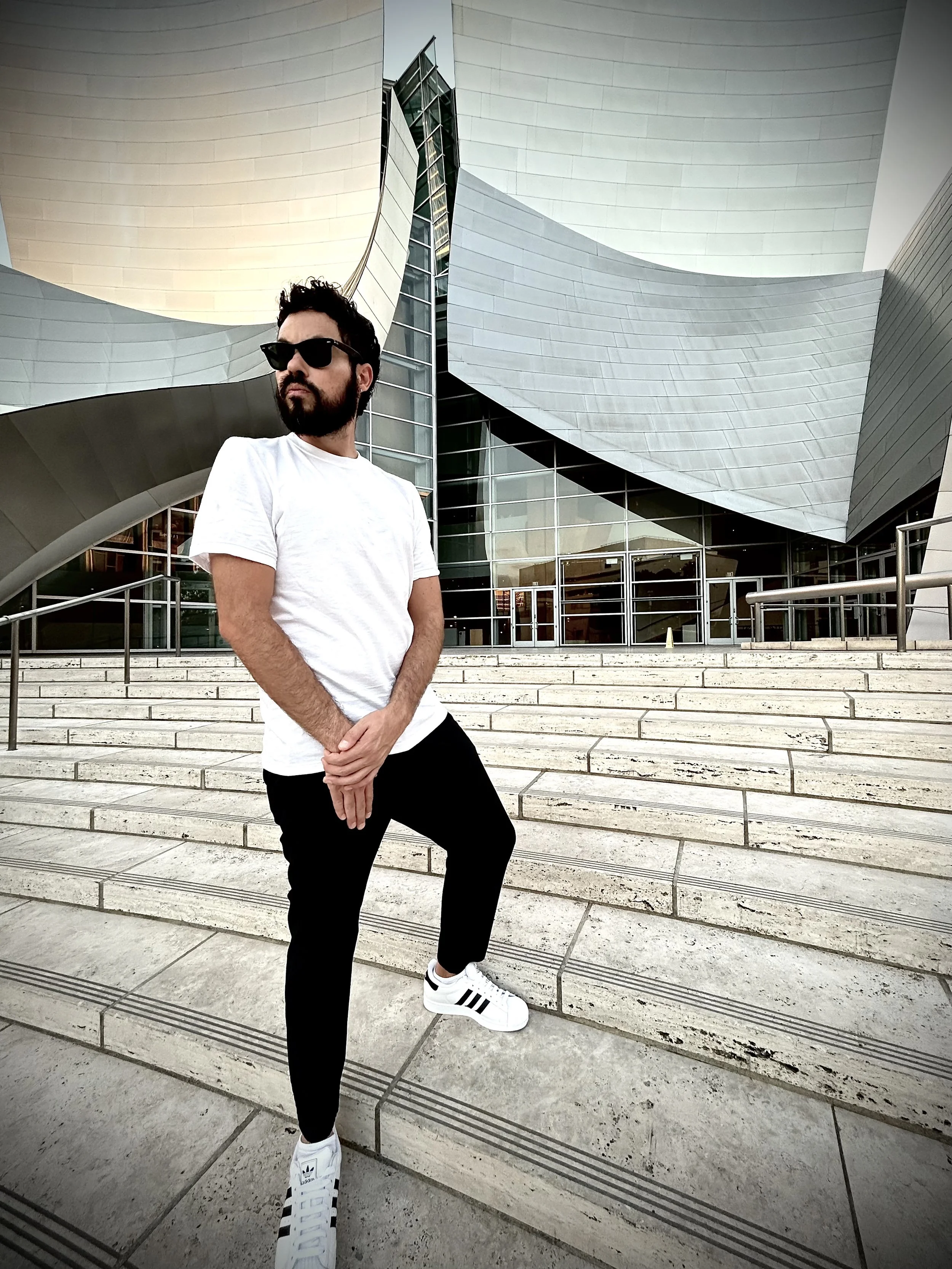
Somewhere along the way, I began to understand that the questions I was exploring through architecture, music, and my own experiences were connected.
That's where The Architecture of Being comes from.
An ongoing exploration of what it means to be human and the invisible structures that shape our experience of life. Identity. Love. Time. Freedom. Failure. Meaning. Purpose.
The distance between who we are, who we think we should be, and who we might still become. Through cinematic storytelling, films, essays, and encounters with places, I explore these questions using the physical world as a way of understanding our inner lives.
Los Angeles has become an important part of that exploration. Its buildings, streets, landscapes, contrasts, and people reveal countless stories about the human condition.
A building can tell a story about memory. A street can reveal something about urgency. A landscape can change our understanding of scale. And a city can remind us that millions of different lives are unfolding at the same time, each one shaped by its own invisible architecture.
I'm not interested in presenting myself as someone who has mastered life. I'm interested in observing it. Questioning it. Experiencing it. And finding ways to translate those experiences into stories that invite other people to look at their own lives from a different perspective.
I believe an honest question can sometimes be more valuable than a comfortable answer. And I believe the things we feel most deeply deserve to be given form.
The Architecture of Being
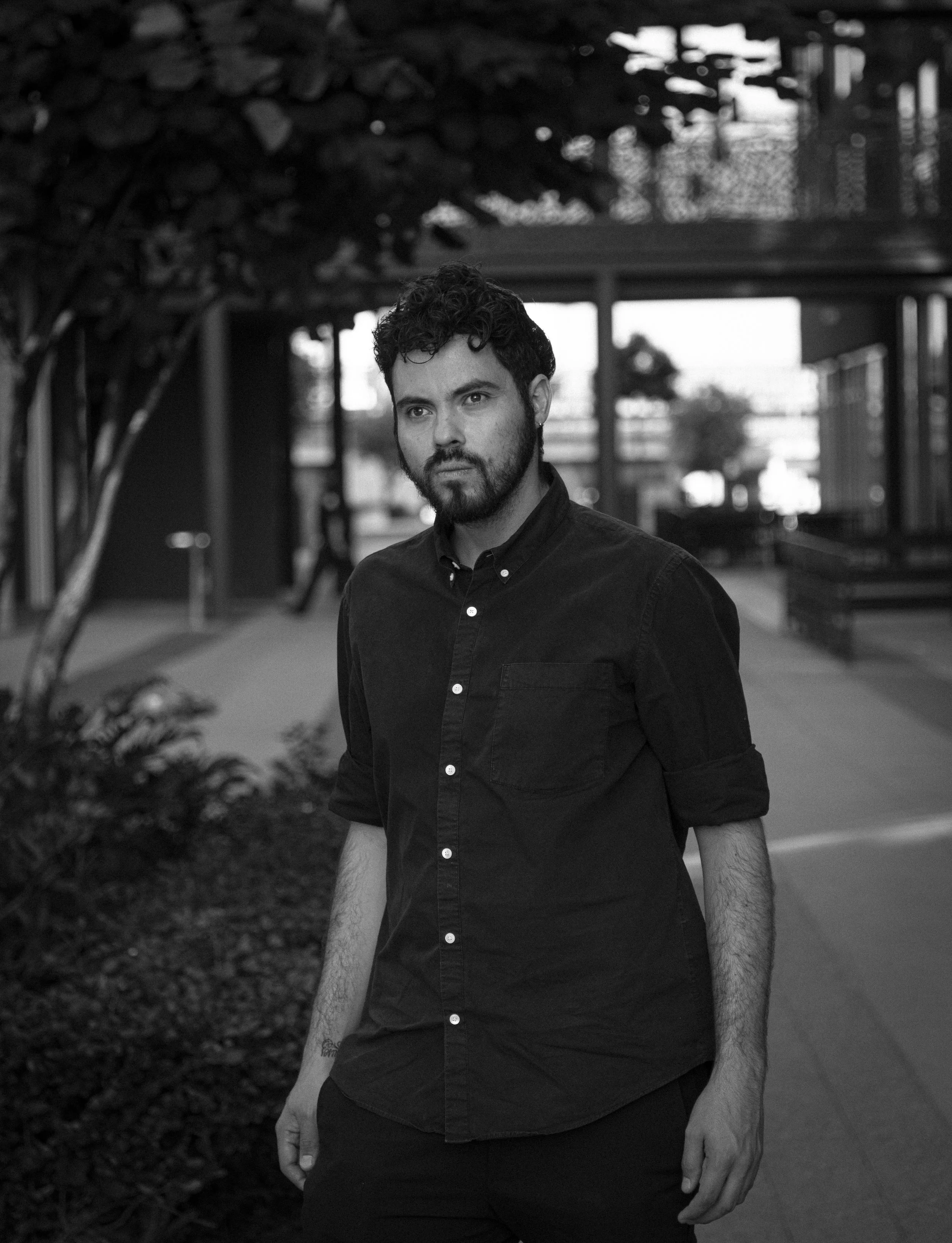
My architectural background eventually expanded into creative direction, where I began applying the same principles of structure, coherence, and conceptual development to ideas, identities, and creative work.
I've come to believe that a strong creative identity isn't built by accumulating more references, following more trends, or constantly adapting to what attracts attention. It's built by understanding what belongs, what doesn't, and why.
That perspective became the foundation of the Creative Authority Intensive, a structured private engagement developed to help creative professionals examine their identity, articulate their perspective, and establish a clearer direction for their work.
Through a process of identity excavation, narrative development, and strategic structuring, the work brings together creative thinking, architectural methodology, and a disciplined approach to turning ideas into coherent expression. It's not about manufacturing an image of authority. It's about understanding the foundations that make authentic authority possible.
Today, that methodology remains part of my private practice, available through selective deeper engagements. I don't see this work as separate from my artistic life. It's another application of the same instinct that has followed me through music, architecture, and storytelling:
Giving form to something that already exists, but hasn't yet found its clearest expression.
Creative direction. Identity into form
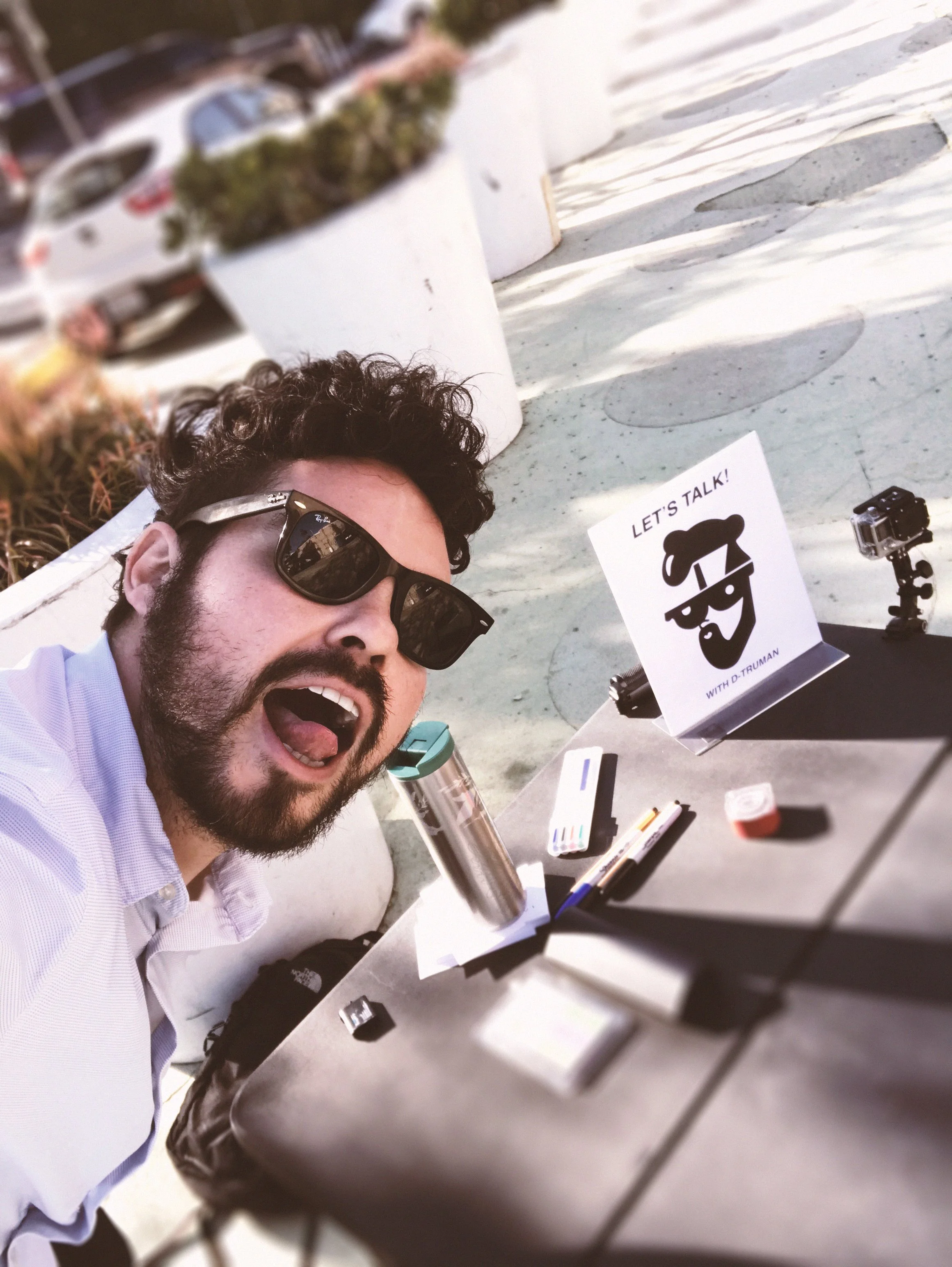
For a long time, I thought I needed to choose between the different parts of myself. The musician. The architect. The thinker. The entrepreneur. The dreamer. Today, I no longer feel the need to make them compete. I see them as different expressions of the same curiosity.
Music lets me feel. Architecture taught me to recognize structure. Writing helps me understand. Film allows me to bring those worlds together. And conversation reminds me that, regardless of our backgrounds, accomplishments, beliefs, or circumstances, we share something fundamental: We're human beings trying to make sense of our lives.
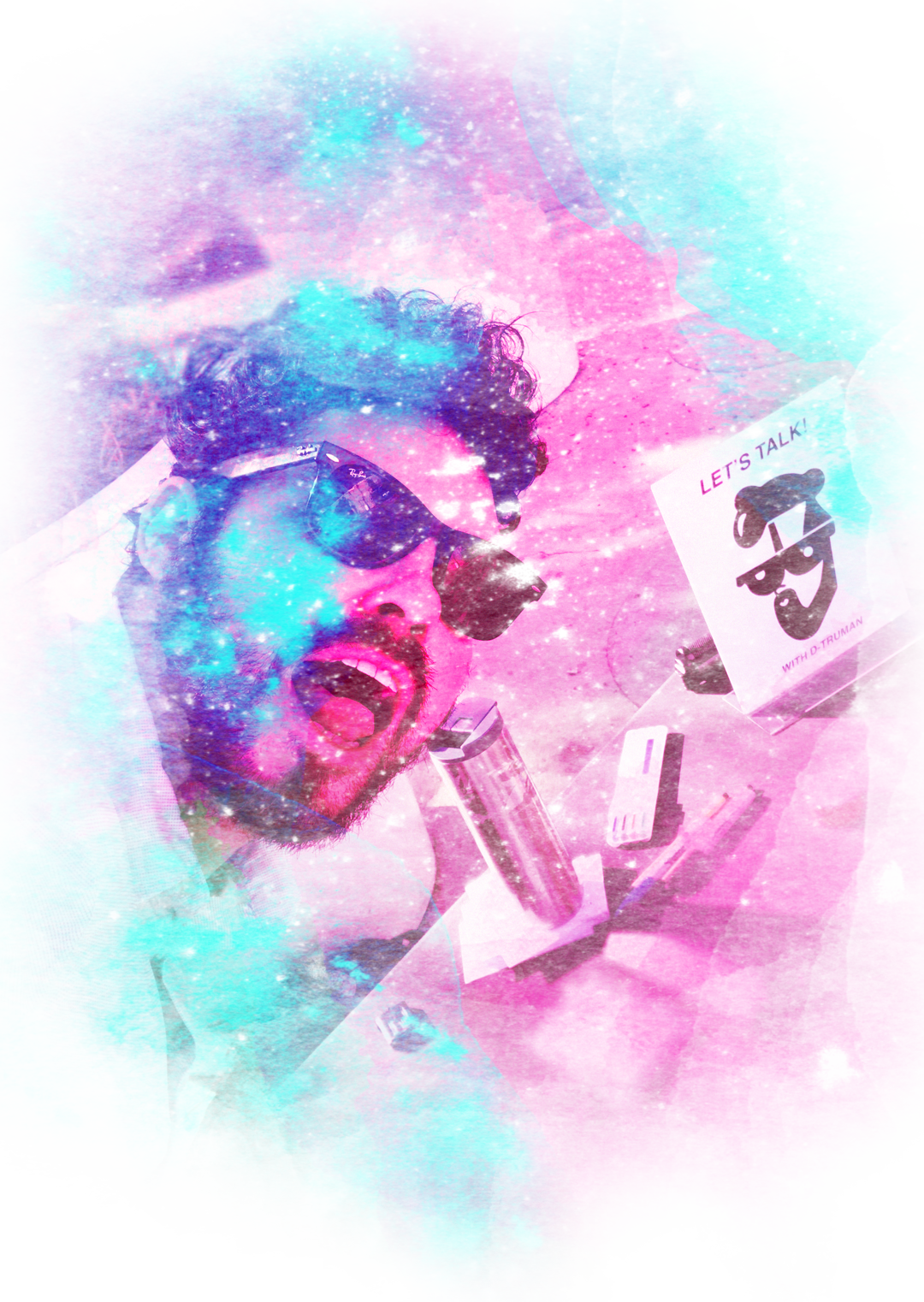
That understanding is also what inspired Let's Talk! with D-Truman.
A private space for honest, meaningful conversations about the questions, transitions, decisions, and contradictions we encounter along the way.
I don't approach these conversations from a position of superiority. I don't believe my experiences make me more important than anyone else, and I don't pretend to have a formula for somebody else's life.
What I bring is my perspective, my experience, my curiosity, and my willingness to listen carefully and challenge assumptions when necessary. I value openness, honesty, intellectual curiosity, and the courage to question what we take for granted. I also believe meaningful connection requires mutual respect and a genuine willingness to participate.
Not every conversation will be the right fit, and that's perfectly fine. I'm not interested in connecting with everyone simply for the sake of being visible. I'm interested in the quality of the exchange. Because sometimes, when two people are willing to meet each other without pretending to be more than they are, a conversation can reveal something neither had considered before. Not because one person holds the answers. But because a different perspective can change the way we see the questions.
Different expressions. One universe
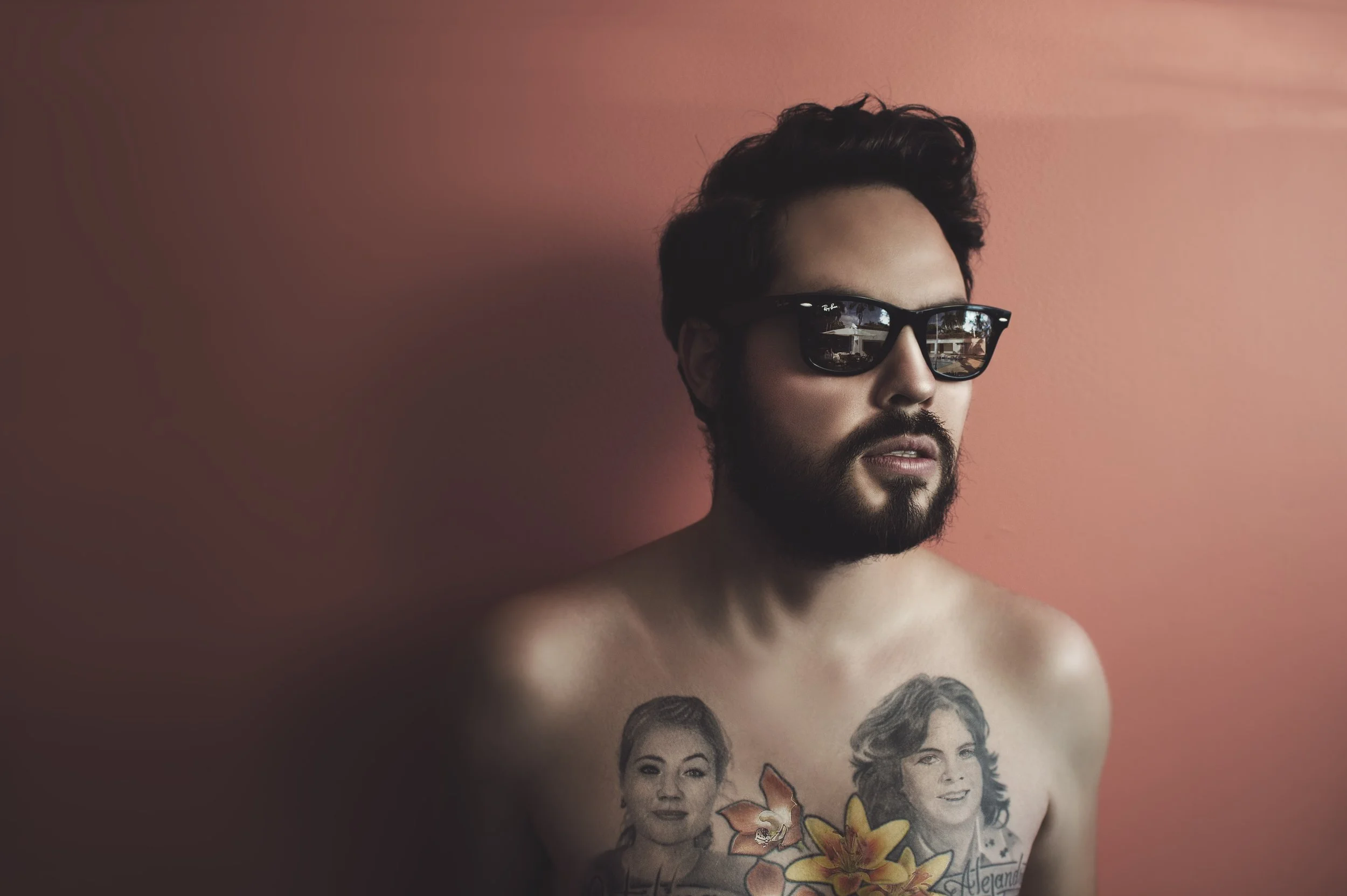
I don't know exactly what shape this universe will take years from now. There are songs I want to release, stories I want to tell, films I want to create, places I want to explore, and ideas I haven't found the right language for yet.
But I know what connects them.
A belief that life is something we participate in creating, even when we cannot control everything that happens to us. A desire for freedom without losing direction. A commitment to building deliberately rather than chasing whatever happens to be popular. And the conviction that meaningful work should come from something deeper than the need for attention or approval.
I don't want to create more simply for the sake of producing more. I want to create work that means something. Work that reflects who I am, what I believe, and the questions I'm willing to spend my life exploring.
D-Truman is the artistic identity through which those convictions take form. It's where my music, my stories, my experiences, and my perspective come together as one coherent body of work.
A world of music, stories, questions, images, places, encounters, and ideas. Some of it is already here. Some of it is still becoming. And perhaps that's the point. We're not finished structures. We're living ones.
Welcome to the D-Truman Universe.
Listen to the music. Explore the stories. Or let's talk.
Santiago D’Truman